
Why Does Your Body Feel Stiff? Understanding Fascia And Everyday Movement

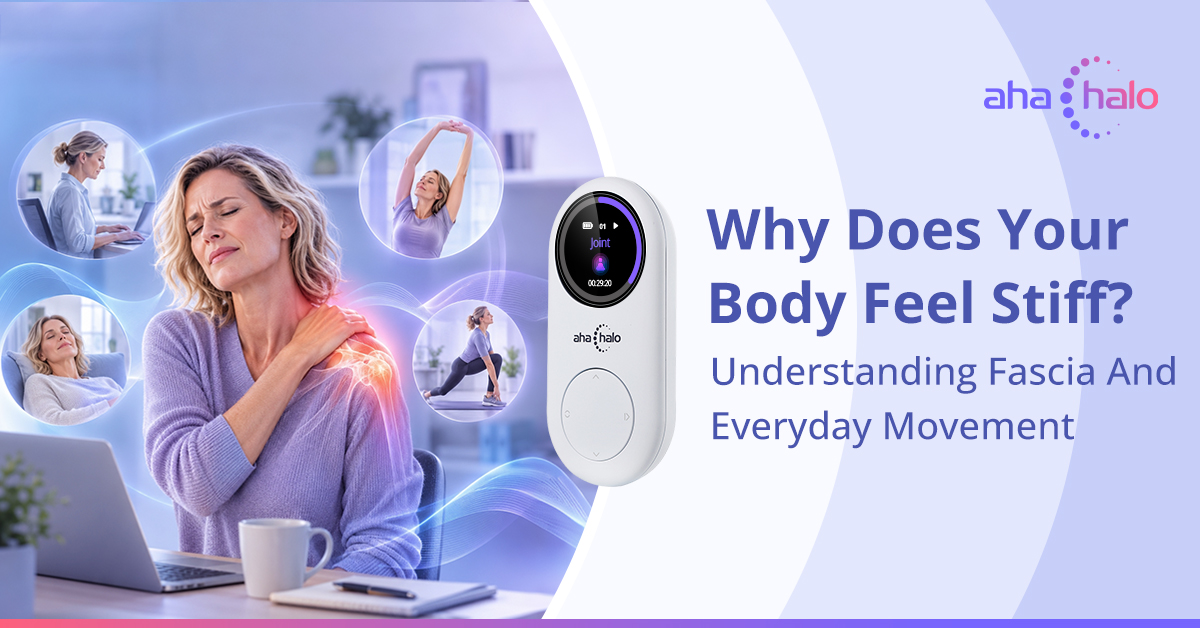
Have you ever woken up feeling stiff even though you did not do anything particularly strenuous the day before?
Maybe your shoulders feel tight after sitting at a desk for several hours. Your legs may feel less flexible after a long day of sitting, or you may notice that your body simply does not move as easily as it used to.
There are many possible reasons for these everyday sensations. One part of the body that may be relevant to how we think about movement and mobility is fascia.
Understanding what fascia is and how it relates to everyday movement can give you another way to think about stiffness, mobility, and recovery.
What Is Fascia?

Fascia is a connective tissue network that surrounds and connects many structures throughout the body, including muscles, organs, nerves, and blood vessels.
Rather than thinking of fascia as one isolated structure, it can be helpful to think of it as a continuous network that helps connect different parts of the body.
This network plays a role in how the body is organized and how different tissues move in relation to one another. Because fascia extends throughout the body, it can be useful to consider how different areas of the body work together during movement.
Why Can Your Body Feel Stiff?
Feeling stiff does not always mean that you have injured yourself. Everyday habits can influence how your body feels and moves.
For example, spending several hours sitting in the same position may leave you feeling less mobile when you finally stand up. Repeating the same movements throughout the day can also mean that some areas of the body move much more than others.
At other times, you may simply notice more stiffness after a period of inactivity.
This does not mean fascia is always the cause of these sensations. Stiffness and reduced mobility can have many different contributing factors. The important point is that your body is influenced by more than one isolated movement or muscle.

The Connection Between Fascia And Movement
Regular movement is an important part of staying active throughout the day.
When you move regularly, different parts of your body have opportunities to move through different ranges of motion. Walking, stretching, changing positions, and other forms of activity can all help prevent your day from becoming dominated by long periods of stillness.
You do not necessarily need an intense workout to introduce more movement into your routine.
Standing up regularly, taking a short walk, gently moving your shoulders, or stretching after a long period of sitting can all be simple ways to add variety to your day.
The goal is not to force your body into a particular position. It is to give yourself regular opportunities to move.
What About Sitting For Long Periods?
Modern life often involves more sitting than our bodies may naturally prefer.
You might spend part of the morning at a desk, sit during a commute, work through lunch, and then spend the evening sitting again. After several hours in one position, it is not unusual to feel like you need to move around.
Instead of waiting until the end of the day to think about movement, consider making small changes throughout the day.
- Stand up between tasks.
- Walk while taking a short break.
- Change your sitting position.
Stretch gently when your body feels ready for it. These small changes can make movement feel more natural rather than something that only happens during a scheduled workout.
Stretching And Everyday Mobility
Stretching can also be a simple way to explore how your body feels.
You do not have to turn stretching into a complicated routine. A few gentle movements can give you an opportunity to notice areas that feel more restricted or tense.
The key is to avoid forcing a movement simply because you think you should be able to reach a certain position.
Instead, pay attention to how your body responds.
Some days you may feel more flexible. Other days you may feel tighter. Your activity level, sleep, daily routine, and other factors can all influence how your body feels.
Mobility is not about reaching the same position every day. It is about being able to move comfortably through your everyday activities.
Supporting Your Everyday Wellness Routine
For Aha Halo users, several programs may also be worth exploring as part of a broader personal wellness routine:
Fascial Support (P)
Supports fascial flexibility and helps ease tension patterns, promoting smoother movement and daily comfort.
Muscle and Tendon
Supports muscle flexibility and recovery after activity or strain.
Joint
Assists in keeping joints mobile and comfortable during daily movements.
These programs can be considered alongside the everyday habits that support movement, rest, and recovery.
Keep Your Body Moving
Your body does not need a perfect routine. It needs opportunities to move, rest, and recover.
If you spend much of your day sitting, start with small changes. Stand up more often. Take a short walk. Stretch gently. Change positions. Give yourself enough time to recover.
And when your body feels stiff or less mobile than usual, take a moment to notice what your daily routine has looked like. Sometimes, understanding your body starts with something as simple as paying attention to how you move every day.
