Frequency Healing 101, Product Tips & How-Tos

Overwhelmed by Program Choices? A Smarter Way to Start

You open your Aha Halo program list, scroll for a minute, and suddenly realize something: a lot of these programs sound helpful. This is usually the moment the second question shows up: 

So… where should I start?

If you have ever felt a little unsure, you are not alone. This is one of the most common questions we hear from our users, especially when they first start off. When you have a device designed to support sleep, focus, neural and emotional balance, and everyday physical comfort, it is completely normal to wonder which direction makes the most sense first.

And the truth is, it is easier than you think.

First Things First: Narrow It Down

Aha Halo is designed to fit into your everyday life with its unique flexibility. But flexibility can also create a little hesitation. When several things are going on at once, people tend to ask whether to start with the deepest issue, the oldest issue, or the issue that seems most serious. And here comes a golden rule:

Start with the issue that feels most present in your daily life.

Be it the one that interrupts your sleep, the one that changes your mood, the one that hinders your movement, or simply the one that holds you back from enjoying your day. When you choose one clear priority, it becomes much easier to notice what is helping.

Here are three questions for you to locate your starting point:

  • What is the first issue that comes to mind when you think about your current needs?
  • What time of day feels hardest?
  • What kind of support are you really looking for?

If poor sleep is what leaves you drained every morning, begin there. If daytime stress is what throws off your energy, patience, and focus, start there. If physical discomfort is the thing that keeps interfering with how you move or function, that is probably your best first step.

How to Select: Real-Life Scenarios

If sleep is the main issue

If your biggest struggle happens at night, then sleep support is usually the most logical place to begin. Our sleep programs are designed for slightly different patterns:

  • Good Sleep I assists in calming body and mind to support falling asleep more smoothly.
  • Good Sleep II helps manage emotional fluctuations for steadier sleep patterns.
  • Good Sleep III offers deeper support for persistent sleeplessness and mood-related sleep challenges.

Also, sleeping issues can ensue from different root causes for different users. The above programs aim at providing straightforward sleep support. For people who find it difficult to unwind, our Delta Waves & Theta Waves programs, accompanied by 7.83 Hz Schumann Resonance can be a good starting point. For those who experience bad circadian rhythm, Pineal Gland can be helpful. You can get more information on how our brain wave programs support rest and relaxation via the link below.

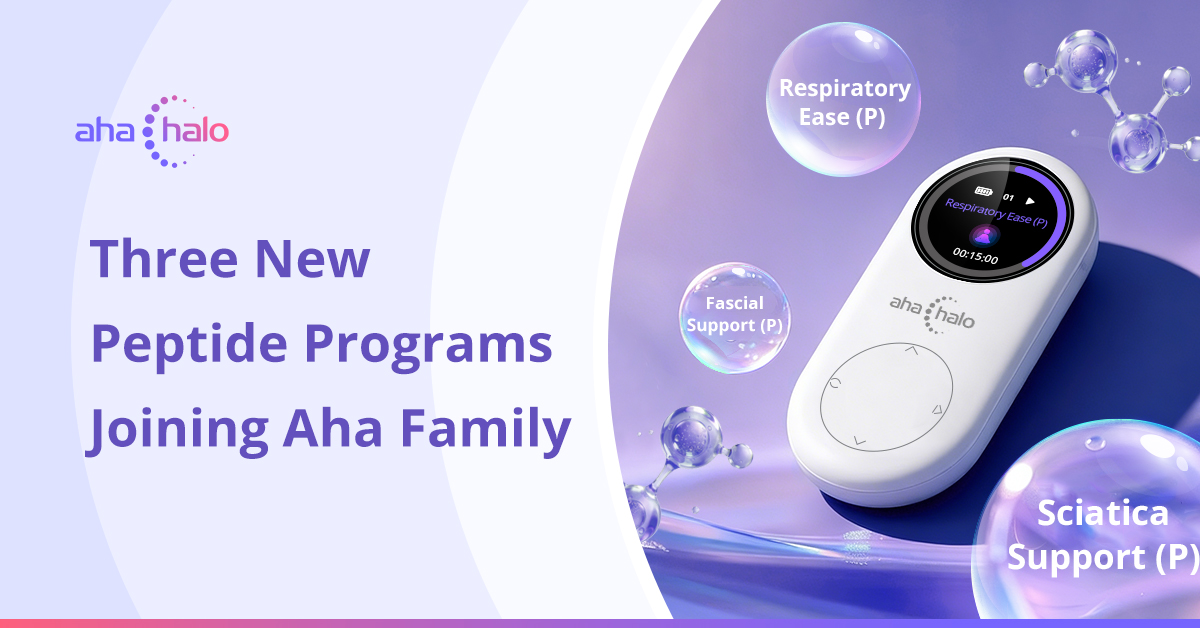
If you prefer stronger targeting ability, we recommend using our peptide programs. Sleep is also one of the easiest places to start because it affects everything else. When sleep improves, many people also notice better patience, steadier energy, clearer thinking, and a greater sense of resilience during the day.

If physical discomfort is what affects your quality of life most

If a certain kind of discomfort keeps getting in the way of your day, begin with the area that bothers you most. Our Comfort, Holistic Body CarePhysical Wellbeing and Women/Men's Care collections store targeted solutions for different physical discomforts. Choose the programs that best fit your primary physical concerns and start to build your harmony.

For more broad, whole-body support, you may also explore Cleansing programs as part of your routine.

You do not need to stack these programs all at once. In many cases, it is better to start with a few targeted programs and pay attention to how your body responds over time. Again, our mindfully developed peptide programs aim at providing more precisely targeted support.

OK, What Else?

Aha Halo works best when it fits into a supportive daily rhythm. But you don't need a perfect routine. Small things around your program use can already make a real difference.

For instance, if you are focusing on sleep, it is best to support the process with a real wind-down routine: put your phone down earlier, keep your room cool and quiet, and give your mind a chance to shift out of daytime mode. If your major concern is physical discomfort, look at what may be feeding the tension throughout the day. Gentle mobility, short breaks, and even a massage session can help your program routine feel more effective and more grounded in daily life.

Start with what affects your daily life most, and explore ways Aha best resonates with you. If you discover an approach that works especially well for you, share it with our community. Your experience may help someone else find their own starting point.

Leave a Reply

Your email address will not be published. Required fields are marked *